


How a forgotten mill town, a wild Georgia gorge, and a community of historians came together to preserve a rare piece of American history
After years of research, documentation, and collaboration, the Banning Mills Industrial Archeological District has officially been listed on the National Register of Historic Places — a national honor reserved for sites that tell an important part of America’s story.
For those of us who have spent years walking these ridges, studying these ruins, and listening to the stories tied to this land, this designation is far more than a title. It is recognition that the people, places, and work that once powered Snake Creek Gorge mattered — and still do.
What This Designation Means
Being listed on the National Register of Historic Places means that the Banning Mills–Snake Creek District is now recognized at the federal level for its historical, architectural, archaeological, and industrial significance.
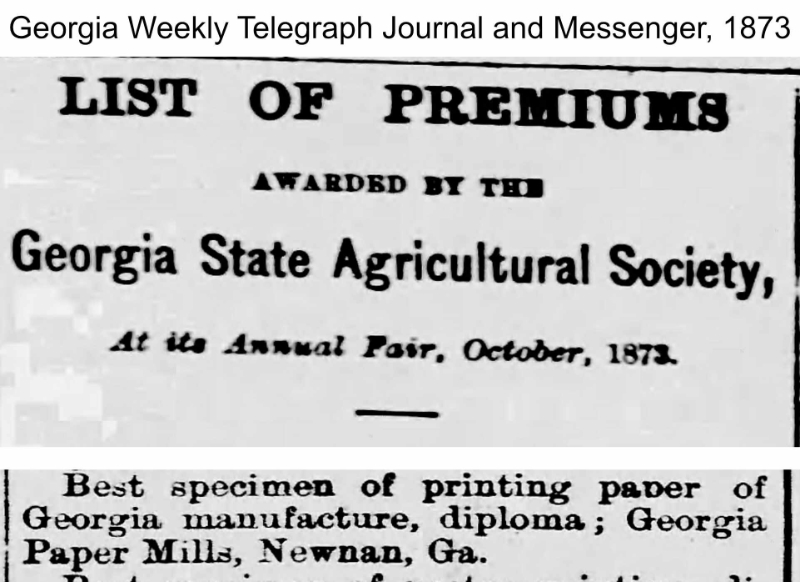
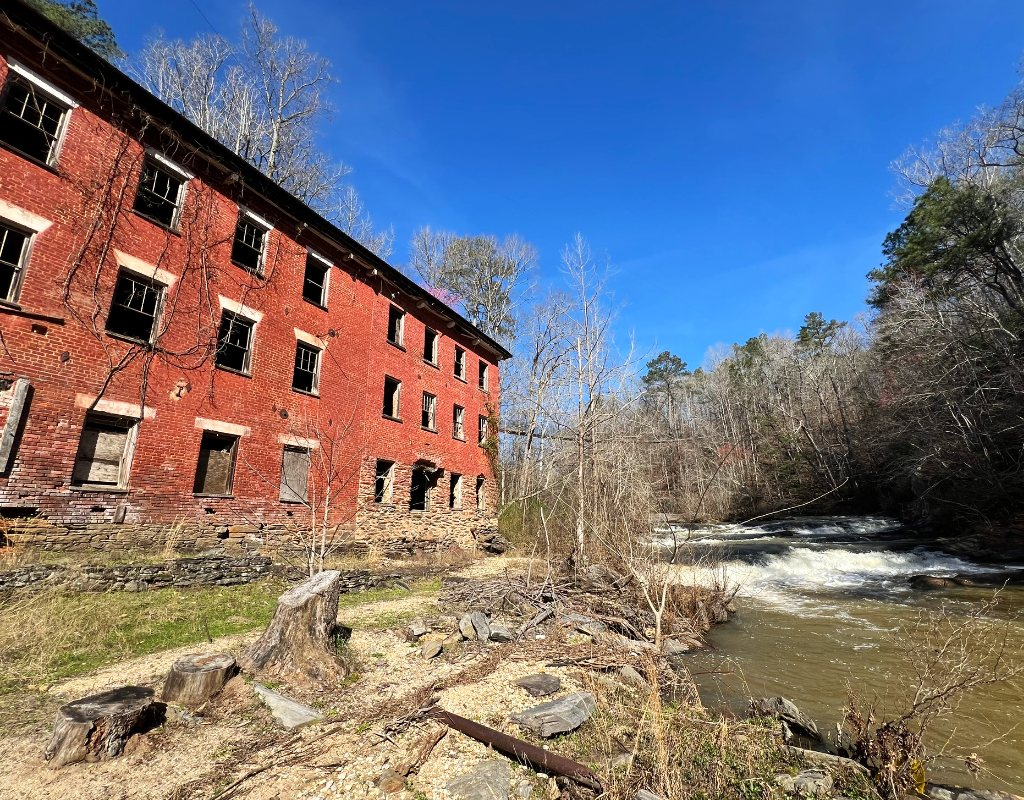
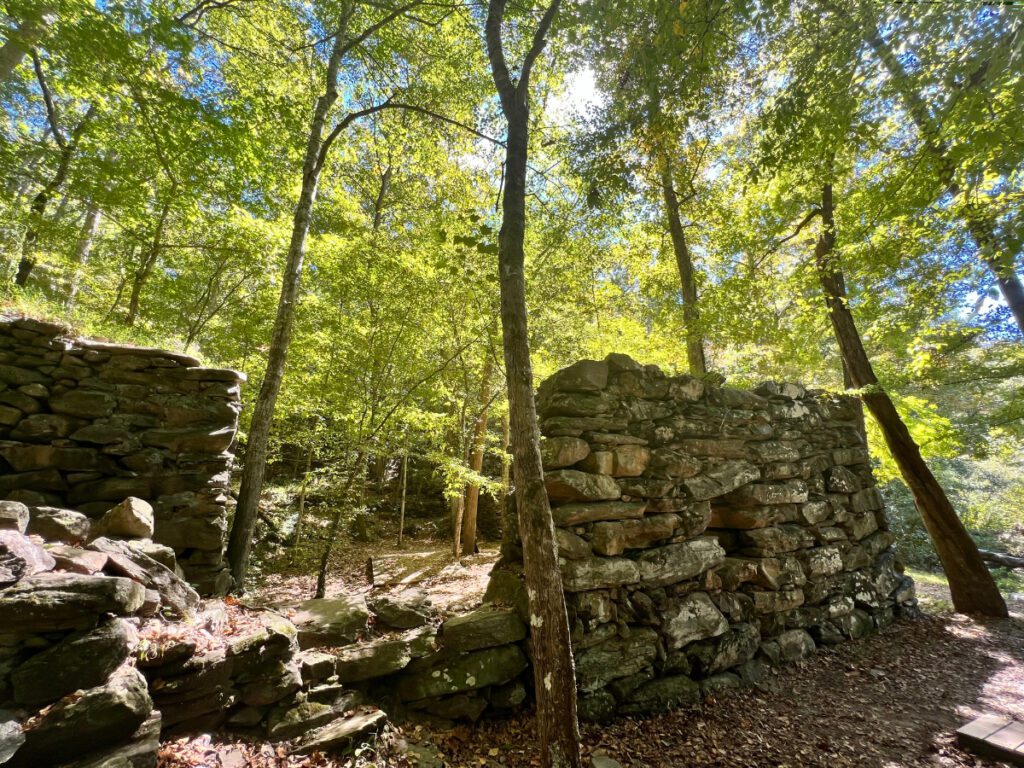
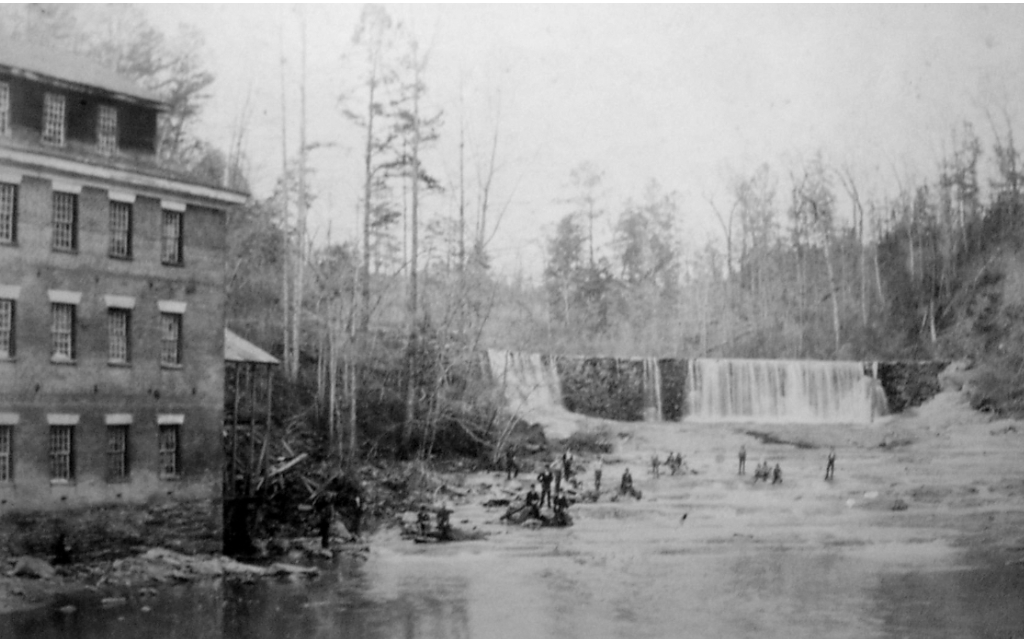
The district preserves more than a century of industrial development (from 1847 to 1971), from early water-powered milling in the 1800s to later textile, pulp, and paper operations that continued well into the 20th century. What makes Banning especially rare is that so much of this history still exists on the landscape — not in museums, but where it was built: mills, dams, raceways, worker housing sites, roads, and the village layout itself, tucked into the steep terrain of Snake Creek Gorge.
The district is listed under Criteria A and D in the areas of Historic Non-Aboriginal Archeology, Industry, Invention, and Engineering, recognizing both its role in groundbreaking paper production and its exceptional potential to yield important archaeological and engineering information.


From Abandoned Landscape to Living Legacy
The Banning Cotton Mill ceased production in 1971 and for a short time operated as a dinner theater and later converted to apartments before the mill building, along with the land that is now part of the historic district (over 500 acres), was abandoned and seemingly forgotten by the outside world.
In 1997, Mike and Donna Holder discovered the property through a small “land for sale” listing in the Atlanta Journal-Constitution. The site had been neglected for more than two decades, thick with brush, vines, and forest reclaiming what had once been a bustling mill village. What they initially saw was not a historic landmark — it was hard work.
For three years, the Holder family cleared brush by hand. In the process, they began uncovering something far more significant than they expected: old town roads, stone foundations, water raceways, mill ruins, and the remains of an entire industrial community woven into the ridges and valleys of the gorge.
Rather than seeing these ruins as obstacles to development, the Holders felt a responsibility to understand and protect them. They began asking neighbors, searching archives, and collecting old photographs. A turning point came through early research begun by a University of West Georgia professor, and later through the work of historian Doug Mabry, whose investigations revealed the depth of Banning’s industrial past — from Creek Indian history to its role in Georgia’s textile and paper industries.
As the history emerged, so did a larger vision. In 1998, the Holders opened a small country inn and launched Screaming Eagle Eco Zip Line Canopy Tours, carefully integrating outdoor adventure with the landscape’s historic character. Over time, they expanded conservation, added hiking trails, protected additional acreage, took measures to preserve the last standing cotton mill, and built lodging while keeping the gorge’s historic fabric intact.
That vision was tested in 2006 when a devastating fire destroyed the main lodge, classrooms, equipment, and historic artifacts. Faced with total loss, the Holders chose to rebuild — reopening Historic Banning Mills in 2007 with an even stronger commitment to preservation, education, and outdoor experiences rooted in place. Today, Historic Banning Mills sits within more than 1,200 permanently protected acres. What began as a chance encounter with an abandoned landscape became a lifelong mission: to rediscover, preserve, and share the story of Banning Mills while inviting visitors to experience its beauty firsthand.

A Project Years in the Making
This designation didn’t happen overnight.
The nomination required:
- Archival research and historic maps
- Archaeological documentation
- Oral histories and written sources
- Detailed site mapping and photography
- State and federal review
Over 26 years a small group of dedicated historians, students, preservationists, and local experts worked together to assemble the story of Banning Mills in a way that met the rigorous standards of the National Park Service. Gathering the amount of information needed to justify an entire archeological district took a long time when running an entire adventure resort and conservation center!

Honoring the People Behind the Work
This recognition belongs to many people. UWG Students began writing their history thesis starting in 2000 and in 2006 we hired Southern Research, Historic Preservation Consultants Inc. to officially document the history of the ruins, specifically Paper Mill ruins. Historian Doug Mabry began working with us in 2005, dedicating countless hours to scouring archives and compiling important information. After many years of research, we had the necessary information to justify becoming a historic district, but we needed to organize all this research and submit a National Register of Historic Places Registration Form 10-900. Our marketing manager, Sarah Nadotti-Arms, volunteered to read through the instructions and organize our research into this form. 3 years and 82 pages later, we finally submitted our nomination in February of 2025, presented to the National Register Review Board in May of 2025, and officially accepted to the list on December 22nd, 2025!
We are deeply grateful to:
- University of West Georgia (UWG) History Department and Archives
- UWG History Students who documented the history of Banning for their thesis
- Carey Tilley – Survey of Visible Cultural Resources on Banning Mill Property, 2000, and The Evolution and Social Significance of Mill-Village Housing at Banning, Georgia, 1847–1945, 2001
- Arden Williams – “A Metropolitan Edifice in the Woods”: The Community Identity of Banning Mill. 2002
- Our neighbors and the residents of Whitesburg for their support and for sharing their stories and photos.
- Karen G. and Dean W. Wood working with Southern Research, Historic Preservation Consultants Inc. – Archaeological Reconnaissance for Early Industrial Sites Along Snake Creek, Carroll County, Georgia, 2006
- State Historic Preservation staff. Historians with the Georgia Department of Community Affairs worked closely with us to ensure we met the requirements before officially submitting our nomination.
Their research, fieldwork, and persistence turned scattered records and ruins into a cohesive historical narrative — now preserved as part of the permanent national record. As soon as we have a listing on the National Register Database we will post the link.
Why Remembering Matters
Banning Mills wasn’t just a business — it was a community.
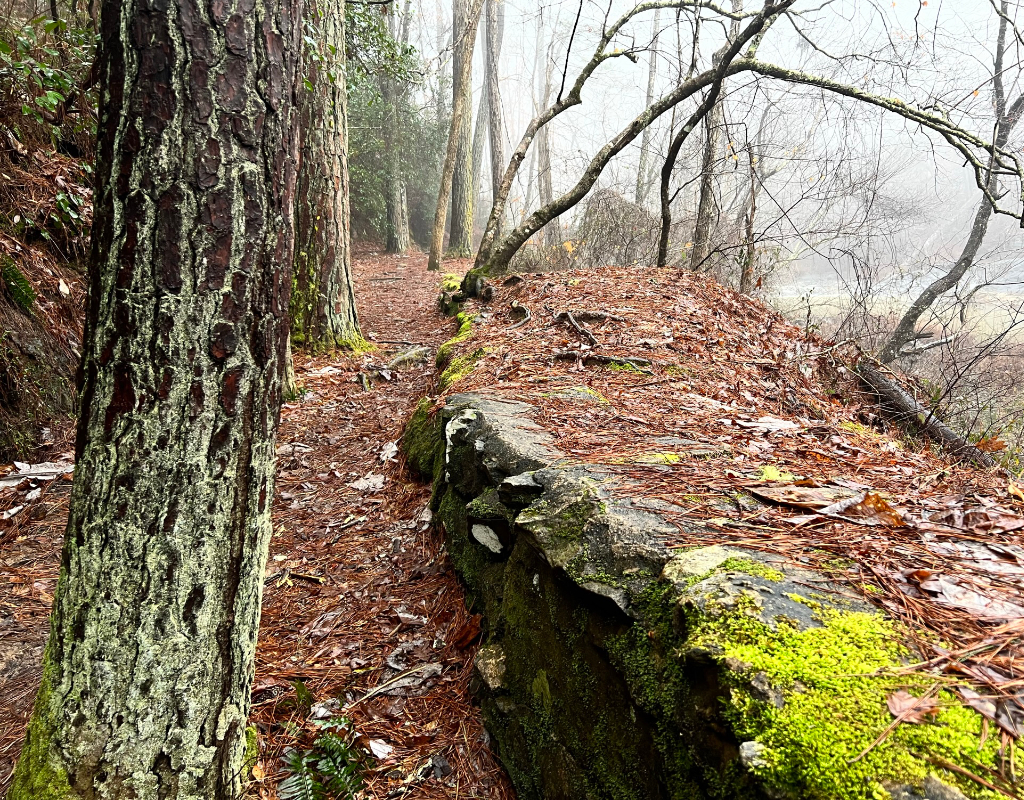
Families lived on the ridges above the mills. Children walked to school and workers to the mills along the same paths that now serve as hiking trails.
The National Register recognizes not just buildings, but patterns of life — and Banning tells the story of how rural Georgians built, worked, played, and endured in an industrial village shaped by both nature and innovation.

A Living Historic Landscape
Today, the Banning Mills–Snake Creek District is not frozen in time. It is a living historic landscape.
Visitors can:
- Hike through the mill village and industrial ruins
- Walk old roadbeds once used by mill workers
- See dams, raceways, and mill foundations up close
Preservation here isn’t about locking things away — it’s about letting people experience history where it happened.

What Comes Next
National Register status opens the door to:
- Preservation grants
- Archaeological research
- Educational partnerships
- Improved public interpretation
- Long-term protection of the district
We are actively pursuing funding and partnerships to ensure this history is not only protected but shared with future generations.
The National Register designation strengthens our ability to care for this remarkable landscape, but preservation is an ongoing shared responsibility. Guided by our mission of faith-based leadership, conservation, and historical stewardship, we remain committed to protecting Snake Creek Gorge for generations to come. If you would like to support our preservation work, you can donate here.
A Legacy Secured
The story of Banning Mills could have quietly faded into the woods.
Instead, it is now part of the official history of the United States.
We are proud, honored, and deeply grateful to everyone who helped make this moment possible — and we look forward to continuing the work of preserving, studying, and sharing the remarkable story of Snake Creek Gorge.